
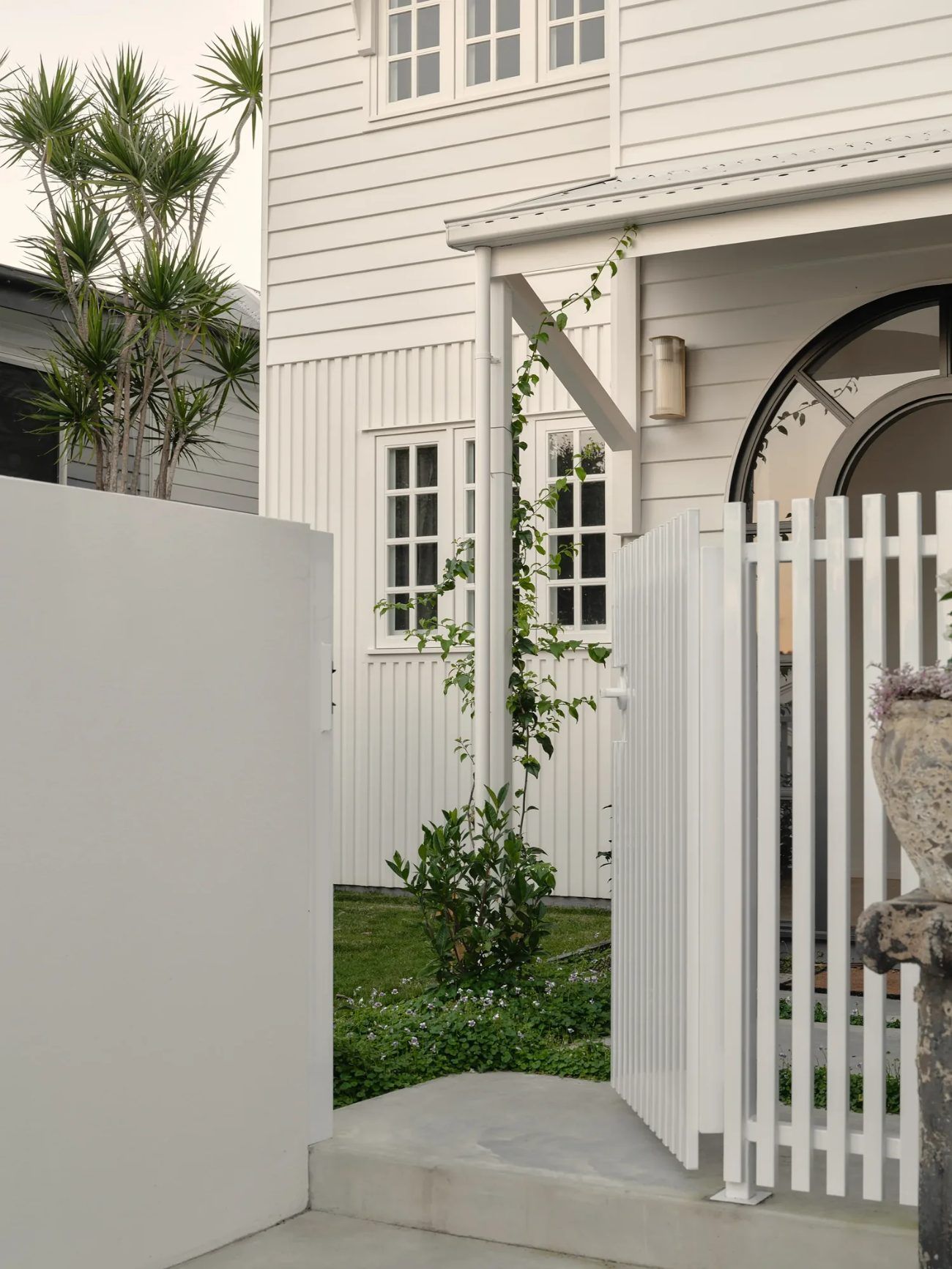
Caloundra is the southern gateway to the Sunshine Coast, about 90 kilometres north of Brisbane, looking across the Pumicestone Passage to Bribie Island. Investors own here for the lifestyle appeal, a mostly apartment-and-unit market close to the beaches, and steady population growth in the wider area.
Caloundra at a glance
The suburb takes in the Bulcock Street town centre and beaches such as Kings Beach, Bulcock Beach and Golden Beach, with Shelly Beach and Moffat Beach nearby. It grew as a seaside resort town, and development picked up strongly from the 1950s. It was named Queensland's Top Tourism Town in 2023.
Housing close to the water is dominated by apartments and older unit blocks, with houses scattered through the surrounding streets. To the west, the Stockland master-planned community in the Caloundra South priority development area is expected to house around 50,000 people over 30 years, adding to the region's population and services.
Who rents in Caloundra
- Singles and couples who want walkable beaches, cafes and the Bulcock Street precinct.
- Downsizers and retirees who prefer low-maintenance units near the water.
- Local workers in hospitality, retail, tourism and health services.
- Commuters using the Bruce Highway, Kinetic bus routes from the Caloundra bus station, or Landsborough station for trains to Brisbane.
The Caloundra rental market
OnTheHouse (Cotality data, as at 30 September 2026) shows a median rent of $690 a week for units and $710 a week for houses. With relatively few houses in the suburb itself, the house median can move around on small numbers, so we lean on current comparables for any individual property.
For units, the outlook, building amenities, parking and whether a unit has been updated all make a meaningful difference. In Queensland, rent can only be increased once every 12 months for the property, not just the tenancy, and rent bidding is banned, so you can't invite or accept offers above the advertised rent. Getting the rent right at the start of each lease is the best way to protect returns over time.
Where the opportunity is
- Unit refreshes. In older blocks, new flooring, lighting, paint and an updated kitchen can lift a unit into a higher rental bracket without overspending. See lifting yield without overcapitalising.
- Air conditioning. Often missing in older units, and something tenants actively look for.
- Furnished options. Where the building and numbers allow, a furnished lease can suit people relocating to the coast.
- Second dwellings. On the occasional larger house block, a granny flat may add income. Queensland has allowed these to be rented to anyone since September 2022, with approvals still required. More on granny flats and second dwellings.
Managing a property in Caloundra
- Body corporate. Most rentals here are in schemes. We work with body corporate managers on by-laws, common property and building works, and keep owners informed of levies and special projects.
- Short-term letting in the building. Some complexes mix holiday and permanent tenants. We check the scheme's by-laws and how that mix affects your tenant.
- Coastal maintenance. Salt air affects balcony fittings, sliding doors and air conditioning units, so regular servicing pays off.
- Pools. Shared pools in complexes still need a current pool safety certificate before a lease is signed.
- Holiday season. We avoid lease end dates over Christmas and January where we can, when the town is at its busiest.
If you own in Caloundra or are weighing up a purchase, we are happy to talk it through. You can read more about our approach to property management in the Sunshine Coast, or run your numbers through our cashflow calculator before we chat.
General information only, current as at October 2026.
Caloundra FAQs
What is the median rent in Caloundra?
OnTheHouse (Cotality data, as at 30 September 2026) shows a median of $690 a week for units and $710 a week for houses. Because Caloundra has relatively few houses, individual property comparisons matter more than the median.
Is Caloundra mostly units or houses?
Close to the beaches and the Bulcock Street town centre, the stock is mostly apartments and unit blocks, with houses in the surrounding streets. That means body corporate by-laws and levies are a key part of owning here.